On-Page SEO
Learn how to optimize page content, titles, headings, URLs, images, and other on-page elements to improve search visibility.
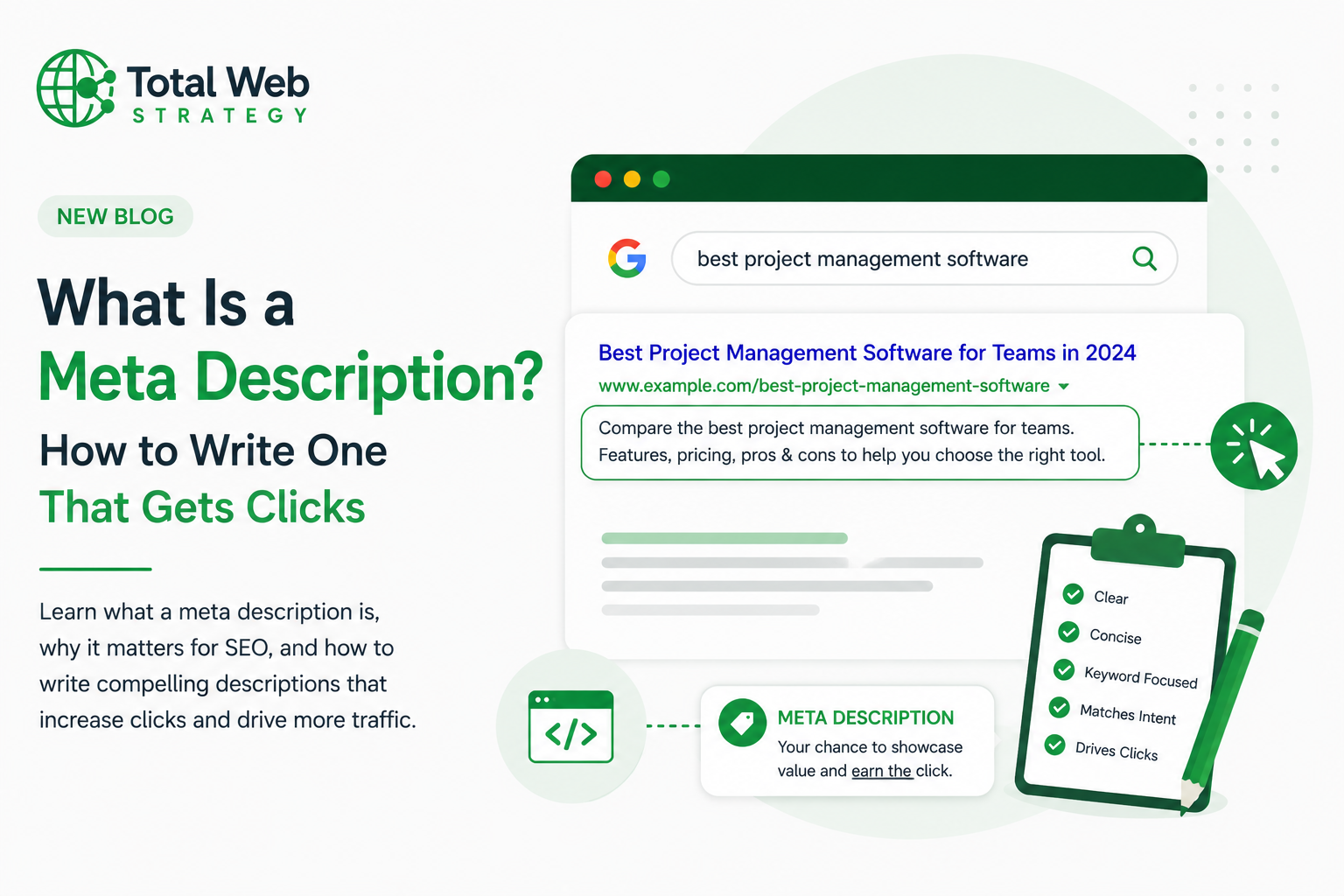
Last year, a client reached out puzzled by their analytics. Their core service page was sitting comfortably at position three...
-
Parvez Ahmad
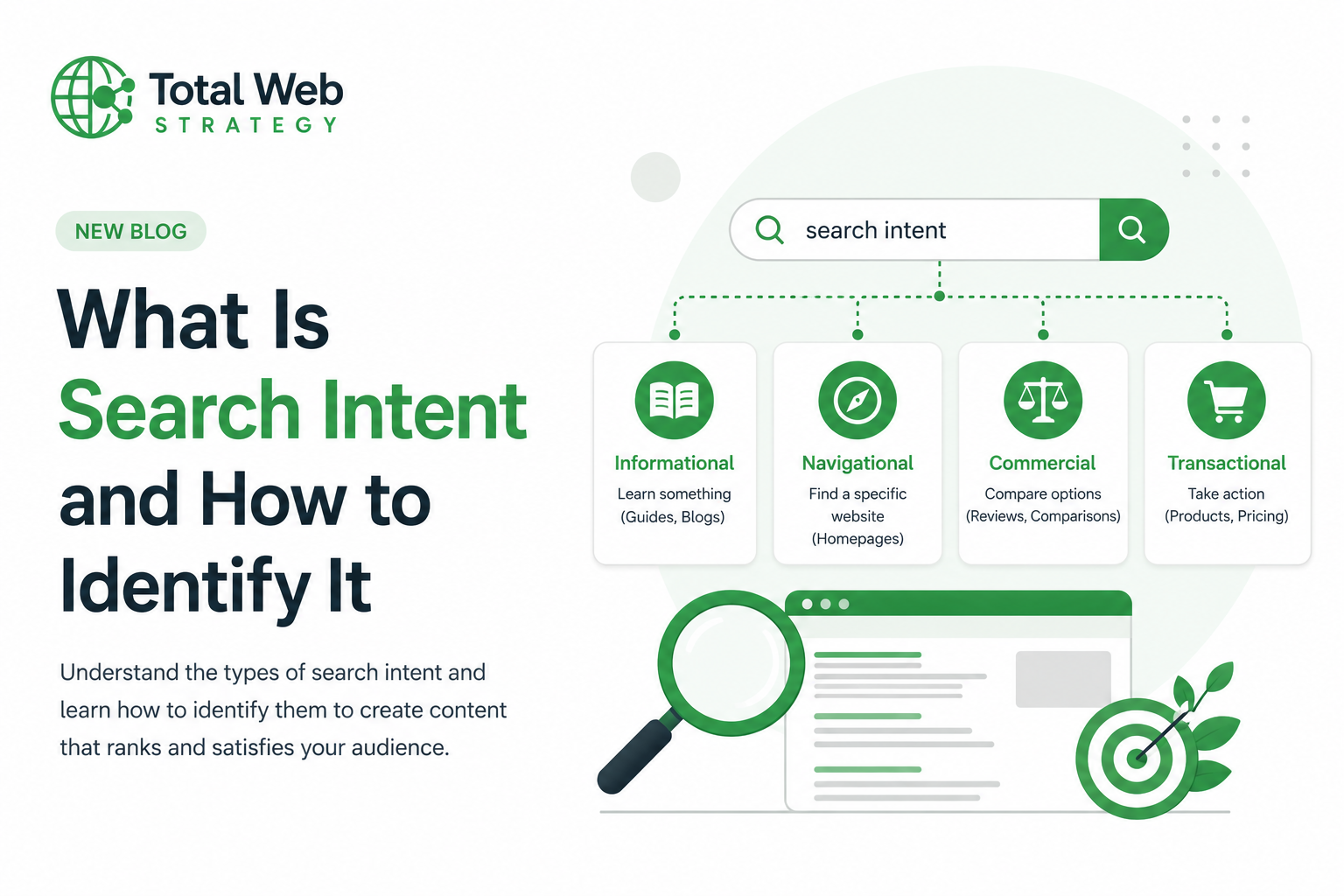
In October 2023, an online supplier of commercial espresso parts audited 400 product category pages. The pages maintained solid search...
-
Parvez Ahmad
Subscribe to Newsletter
Get the week’s best marketing content in your inbox.
Frequently Asked Questions
Find answers to common on-page SEO questions and learn how to optimize your website pages.
What is on-page SEO?
On-page SEO is the process of optimizing the content and elements on your website, such as titles, headings, URLs, images, internal links, and content. It helps search engines understand your pages and makes your content more relevant to your target audience.
Why is on-page SEO important for search rankings?
On-page SEO helps search engines understand what your page is about and how well it matches a search query. Well-optimized pages can rank higher on Google and get more relevant traffic.
What is the difference between on-page SEO and off-page SEO?
On-page SEO focuses on optimizing elements within your website, such as content, headings, and internal links. Off-page SEO focuses on activities outside your website, such as earning backlinks, building brand mentions, and improving your website’s authority.
How often should you review and update on-page SEO?
You should review your on-page SEO every 3–6 months, which can help keep information accurate, relevant, and competitive. Review especially if rankings or traffic change.