Total Web Strategy

On-Page SEO

Learn how to optimize page content, titles, headings, URLs, images, and other on-page elements to improve search visibility.

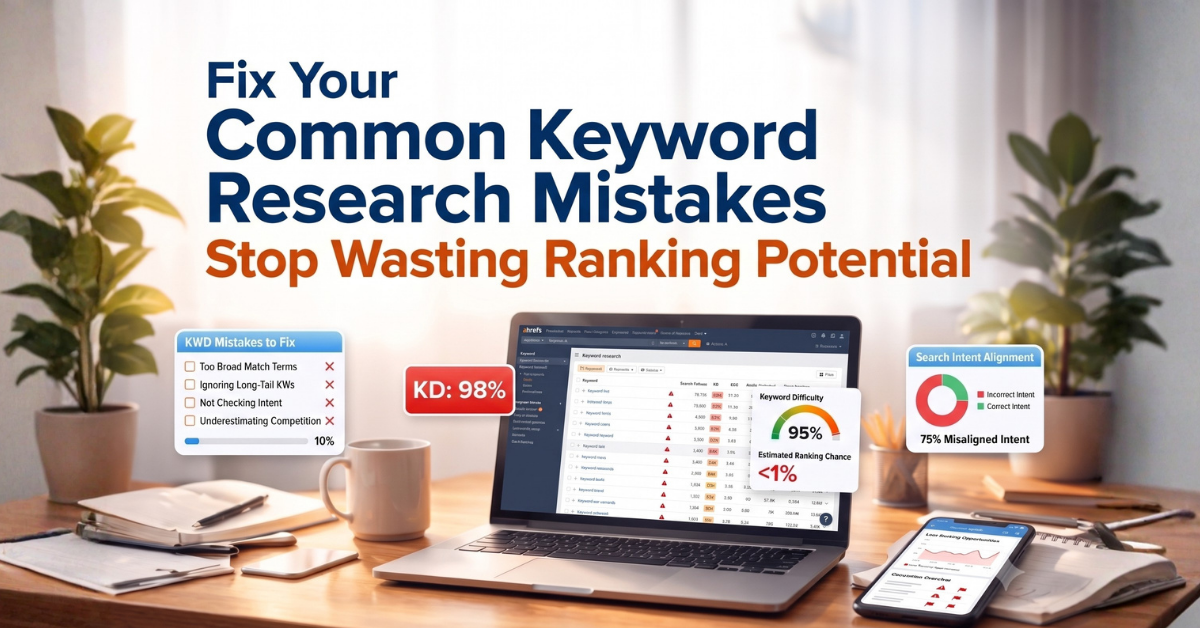
Common Keyword Research Mistakes Beginners Make

No one tells you this when you first start learning SEO. Finding keywords is not what keyword research is about....

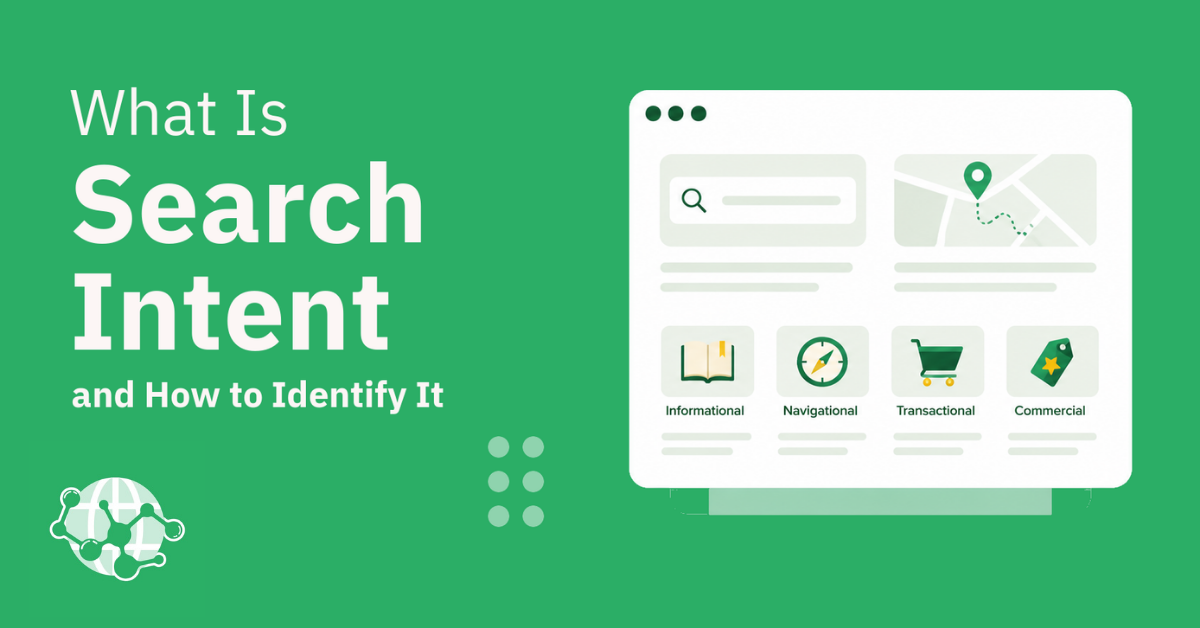
What Is Search Intent, and How to Identify It

A few years ago, I made a mistake that a lot of marketers make. I spent hours researching keywords, writing...

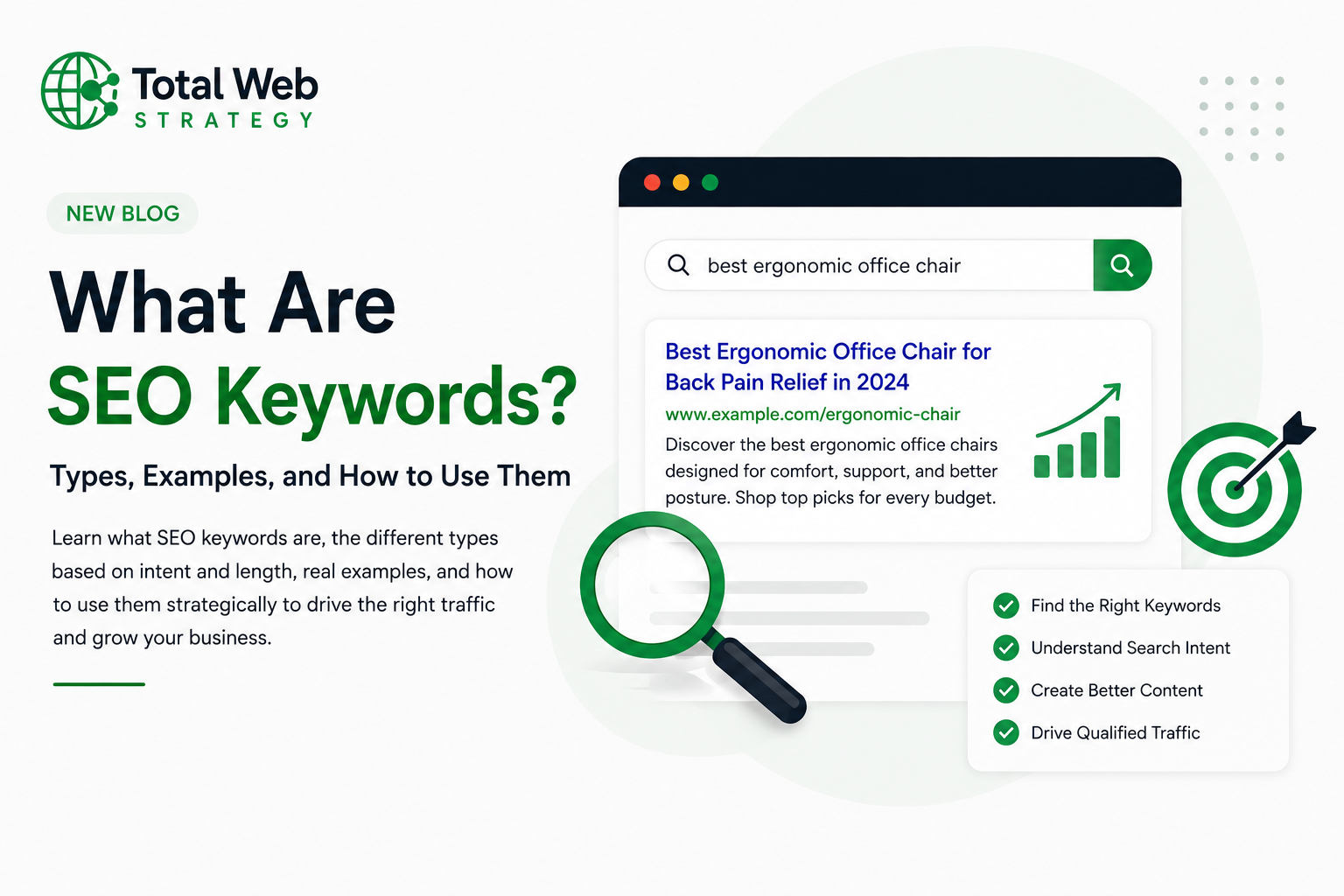
What Are SEO Keywords? Types, Examples, and How to Use Them

In October 2023, an online retailer selling specialized ergonomic office furniture reviewed its search analytics. Organic traffic had climbed 35%...

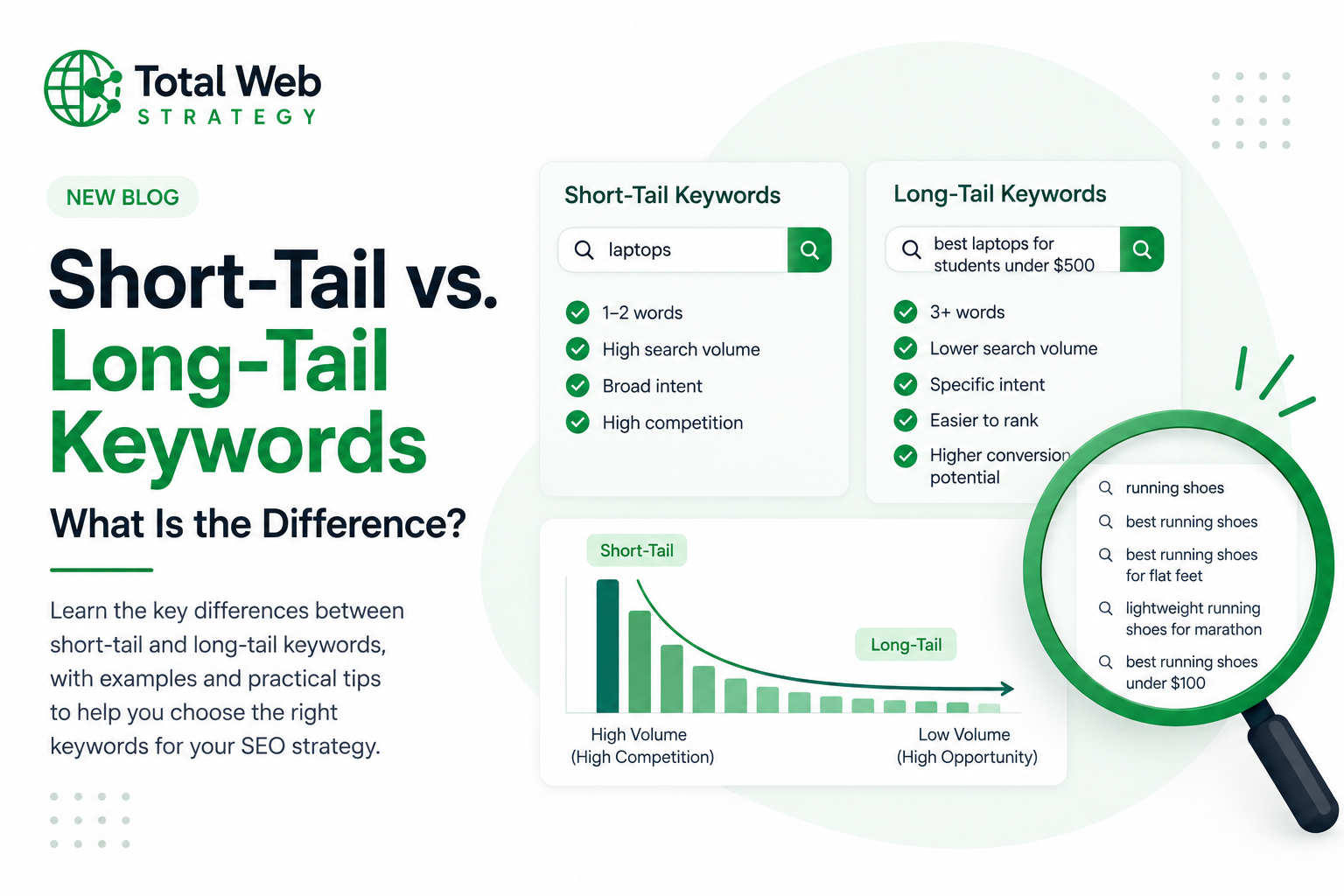
Short-Tail vs. Long-Tail Keywords: What Is the Difference?

You publish an in-depth guide, format your headers, and wait for organic traffic. Weeks pass, but the page stays buried...

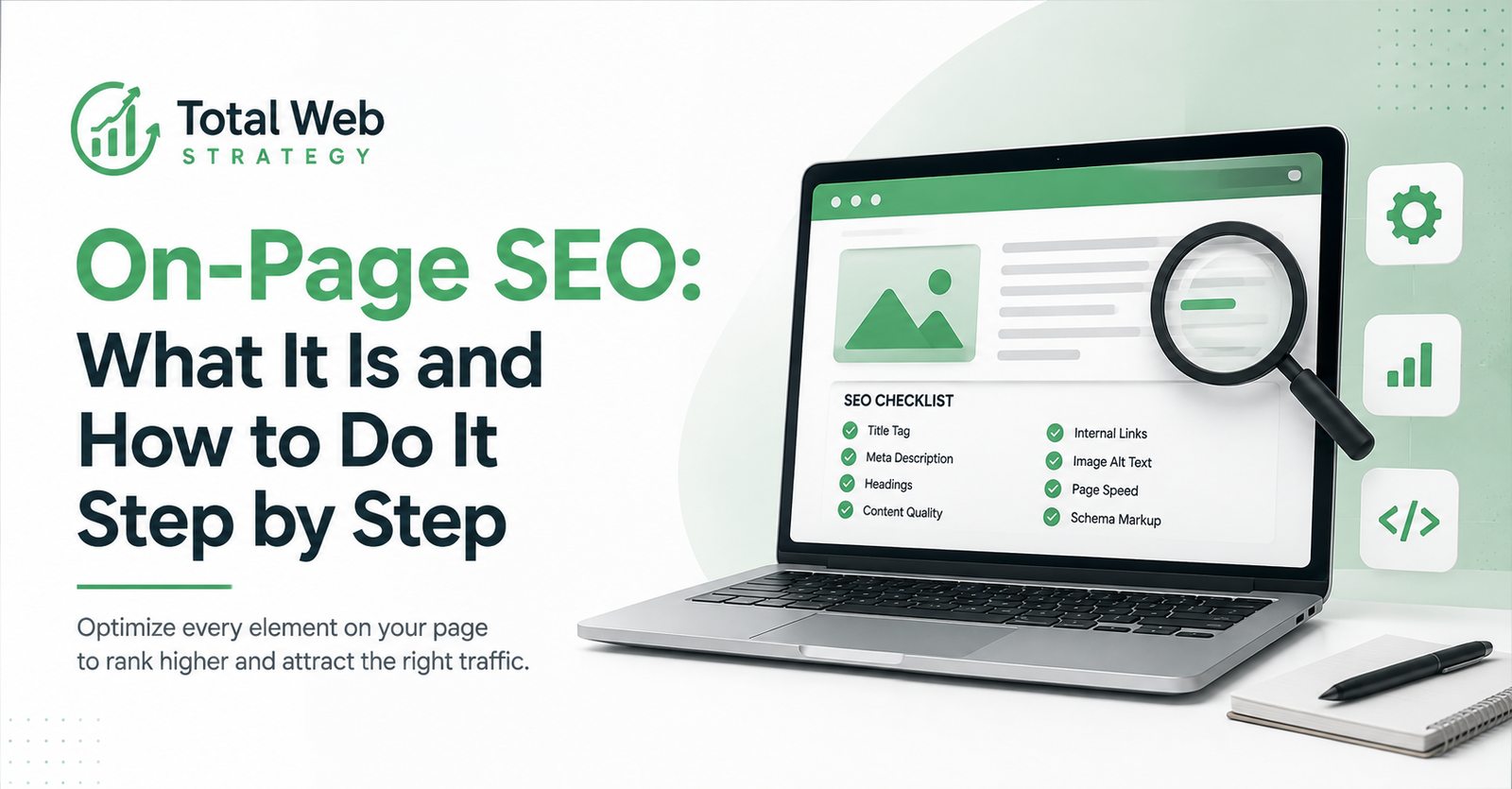
On-Page SEO: What It Is and How to Do It Step by Step

A software company spent $15,000 to publish a comprehensive industry report. The data was accurate, the analysis was thorough, and...

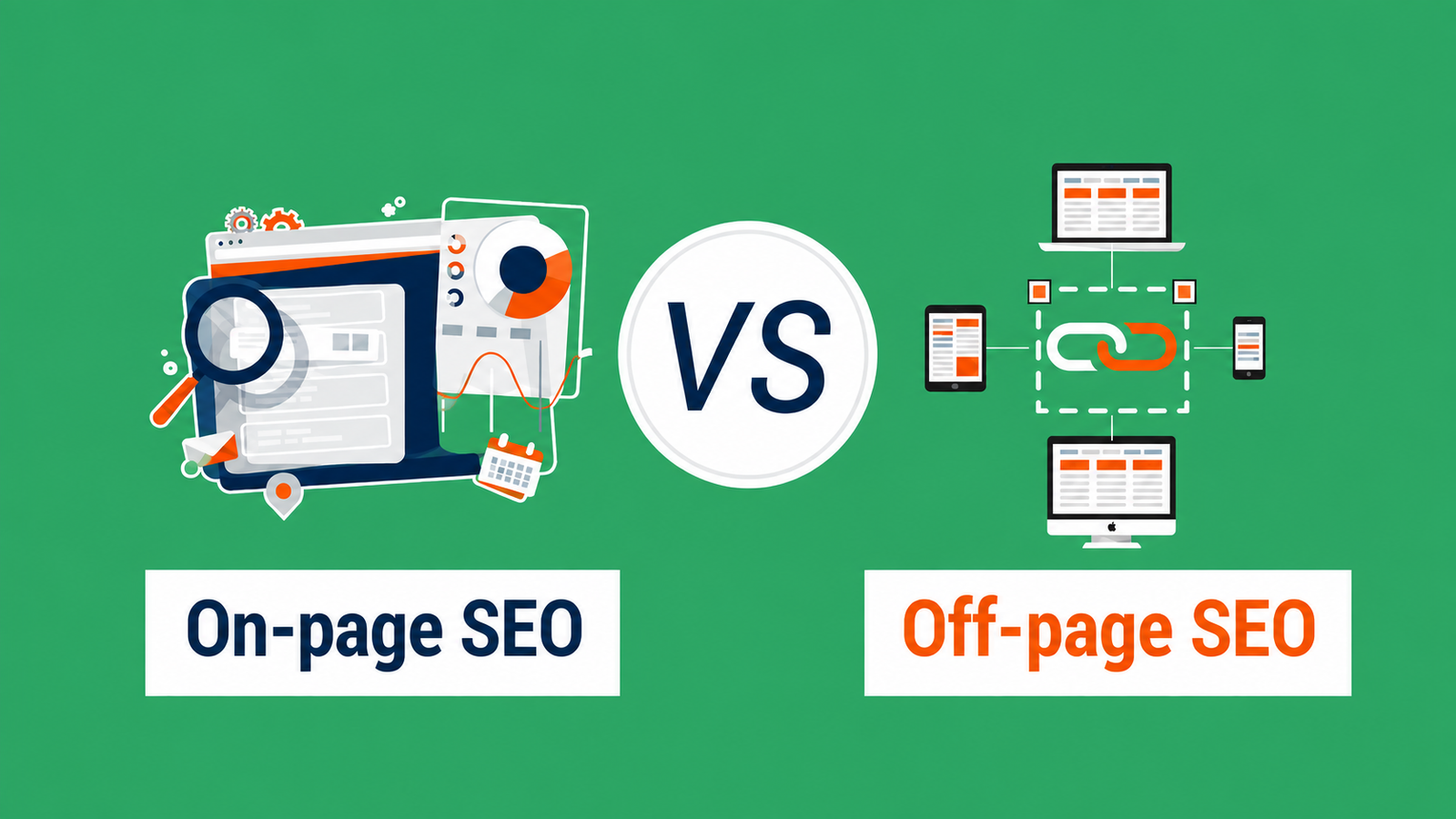
On-Page vs Off-Page SEO: Which Matters More for Your Website?

Marcus opened a specialty woodworking shop on a quiet industrial lane in Portland. He spent three months painting the walls,...

Subscribe to Newsletter

Get the week’s best marketing content in your inbox.

Frequently Asked Questions

Find answers to common on-page SEO questions and learn how to optimize your website pages.
On-page SEO is the process of optimizing the content and elements on your website, such as titles, headings, URLs, images, internal links, and content. It helps search engines understand your pages and makes your content more relevant to your target audience.

On-page SEO helps search engines understand what your page is about and how well it matches a search query. Well-optimized pages can rank higher on Google and get more relevant traffic.
On-page SEO focuses on optimizing elements within your website, such as content, headings, and internal links. Off-page SEO focuses on activities outside your website, such as earning backlinks, building brand mentions, and improving your website’s authority.
You should review your on-page SEO every 3–6 months, which can help keep information accurate, relevant, and competitive. Review especially if rankings or traffic change.
Scroll to Top

Stay ahead in marketing

No fluff. Just useful SEO tactics, marketing news, and resources delivered straight to your inbox.