
A few years ago, I made a mistake that a lot of marketers make.
I spent hours researching keywords, writing a long blog post, optimizing headings, and hitting publish. I was convinced the article would rank.
It didn’t.
The keyword had solid search volume. The content was well written. But I missed one critical thing.
The search intent.
My approach to SEO changed completely when I learned how search intent works. I stopped writing content just around keywords and started paying attention to what people really want when they search.
That change made a big difference.
This guide will teach you what search intent is, why it matters for SEO, and how to find it before you write your next piece of content.
What Is Search Intent?
Search intent refers to the reason behind a user’s search query.
Whenever someone types something into Google, they have a goal in mind. They might want to learn something, compare options, or complete a purchase.
For example, someone searching:
- “how to start a blog?” likely wants a tutorial
- “best blogging platforms?” wants comparisons
- “WordPress pricing” wants to make a purchase
The user has a different goal each time, even though all three questions are about blogging.
Every day, Google looks at billions of searches to figure out these patterns. The algorithm learns what people want to see when they make a specific search over time.
When your content matches that intent, you have a better chance of ranking higher and getting the right visitors.
Why Search Intent Matters for SEO
Search engines want to show users results that solve their problems as quickly as possible.
Google expects comparison content when someone types in “best project management tools.”
A product page will struggle to rank for that query because it does not match the expected format.
Ahrefs found that 90.63% of pages don’t get any organic traffic from Google. This is usually because they don’t match what people are looking for.
The Four Main Types of Search Intent
The majority of the searches fall into four main categories. Recognizing these categories helps you decide what type of content you need to create.
| Intent Type | User Goal | Typical Content |
| Informational | learn something | blog posts, guides |
| Navigational | find a specific website | homepage or specific landing page |
| Commercial | compare options | reviews, comparison articles |
| Transactional | take action | product pages, landing pages |
Let’s take a closer look at each one.
Informational Intent
People do information searches when users want to learn something.
Here are some examples:
- what is search intent
- how SEO works
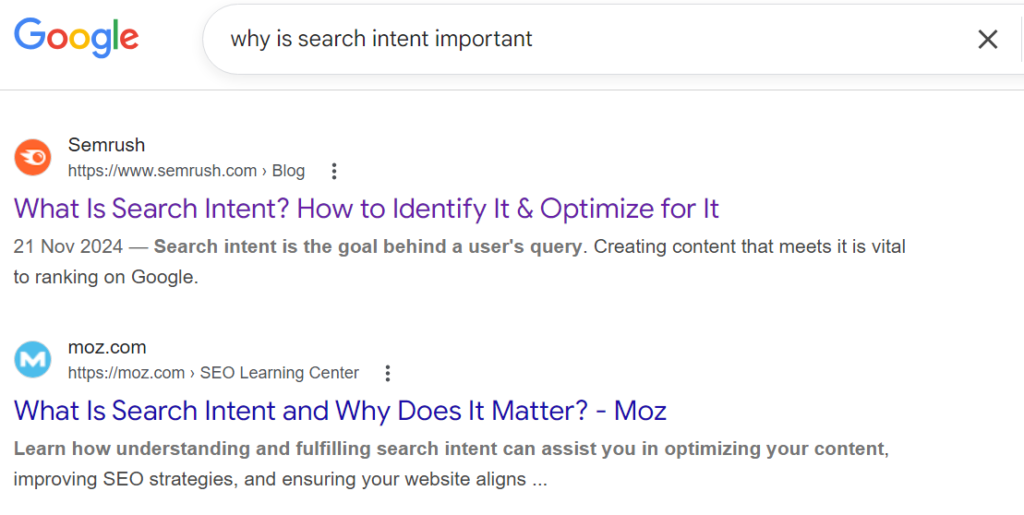
- why search intent is important
When people search these topics, they expect educational content.
This is why most informational queries show blog posts, guides, and tutorial articles.
Navigational Intent
When someone already knows which website or landing page they want to go to, they have navigational intent.
Examples include searches like:
- hubspot login
- shopify dashboard
- ahrefs blog
In these cases, Google just helps the user get to that website quickly.
Most of the time, the first result is the official website.
Commercial Intent
When people compare options before making a choice, they are doing a commercial search.
For example:
- best project management software
- convertkit vs mailchimp
- top CRM tools for startups
People who search these queries want to see in-depth comparisons.
The following content types perform well here:
- feature comparisons
- pros and cons
- review articles
- Recommendations
According to Think With Google, 53% of shoppers do research online before buying, so this step is very important for content marketers.
Transactional Intent
People do transactional searches when users are ready to take action.
Examples include:
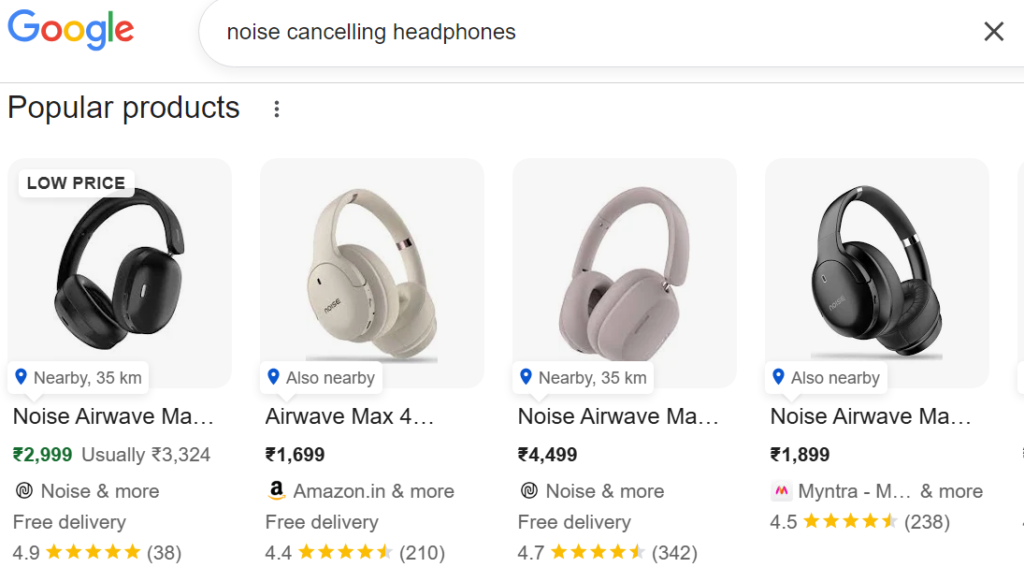
- buy noise cancelling headphones
- SEO software pricing
- sign up for email marketing platform
Most of the time, these searches take you to pages with products, prices, or sign up pages.
Google often shows shopping ads or product listings for these searches because the person is close to conversion.
How to Identify Search Intent
Before writing content for any keyword, you should analyze the search results. Identifying search intent is usually straightforward. There are several ways to do it.
Analyze the Search Results (SERP)
The easiest way to understand search intent is to look directly at Google’s search results page.
Start by searching your target keyword and look over the first-page results. Google has already analyzed user behavior and figured out which types of pages best answer the user query.
Ask yourself
- What types of pages appear most often?
- Are they guides, product pages, or comparison articles?
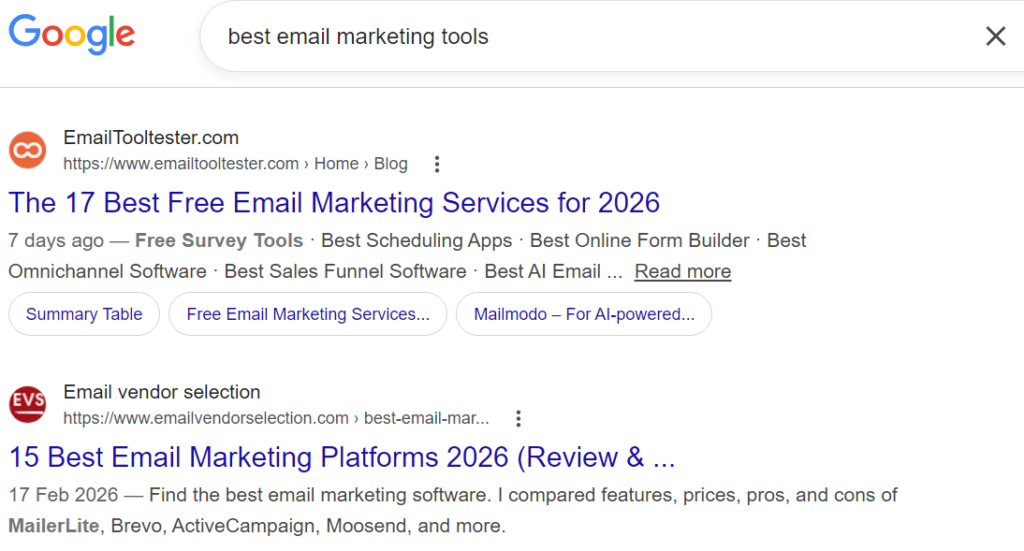
If you type “best email marketing tools” into a search engine, you’ll probably find list articles and comparison guides. This shows that users want to look at their options before picking a tool.
Identifying Dominant Intent by Content Format
The next step is to look for patterns after looking at the results page.
If most of the top results have the same structure or format, that usually means that’s what most people are looking for.
For example:
- If the results are mostly blog posts or guides, the intent is informational.
- If the results are product pages or pricing pages, the intent is transactional.
- If the results include comparison articles, the query has commercial intent.
Google ranks similar formats because they have historically worked best for that query.
Use SEO Tools (Ahrefs, Semrush, etc.)
SEO tools can also help identify search intent more quickly.
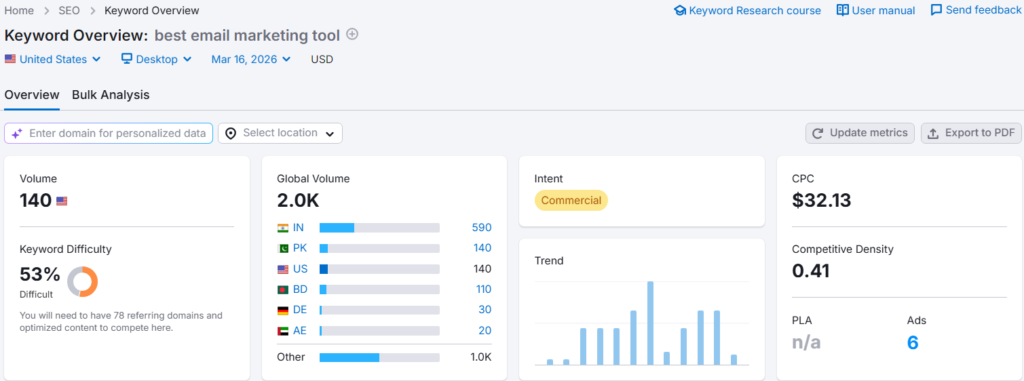
Ahrefs, Semrush, and Ubersuggest are examples of platforms that show intent for each keyword. For instance, Semrush gives keywords different types of intent, like informational, navigational, commercial, or transactional.
For example, in Semrush you can
- Enter a keyword into Keyword Overview
- Find the intent provided by the tool in the intent card.
Using tools like these can save time when researching large keyword lists.
Matching Content to Search Intent
Once you understand the intent behind a keyword, the next step is aligning your content with that goal.
If users want information, create a helpful guide. If users want comparisons, build a review or comparison article. If users want to buy something, create a clear product or landing page.
This simple alignment dramatically improves the chances that your content will satisfy both the user and the search engine.
Conclusion
Keywords tell you what people are looking for.
Search intent tells you what they are looking for.
That difference is what makes some SEO content work and some never get any traffic.
Before you write your next article, spend some time looking at the search results for the keyword you want to use. Examine the ranking pages to understand the user’s goal behind the query.
Then prepare the content that clearly solves that problem.